Summary Highlights
| Can you paint over rust? Yes—but only with the right prep and products. Light surface rust can be safely painted over by cleaning the area, sanding off loose flakes with sandpaper, and applying a rust-inhibiting primer or rust converter before using rust-resistant paint. However, deep corrosion may require full rust removal to avoid structural damage and ensure proper adhesion. Choose paints labeled for metal, and avoid painting in humid or cold weather. For long-lasting results, consider a topcoat and schedule regular maintenance. Painting over rust can protect your investment and restore metal surfaces—when done correctly |
Metal objects and surfaces are subjected to the elements’ harsh effects. Whether it’s a backyard bench, a railing, or the siding on a shed, rust tends to creep in over time sometimes slowly, sometimes aggressively.
Homeowners and DIY enthusiasts often wonder: Can you paint over rust, or must it be completely stripped away? The answer isn’t always black and white. Knowing when it’s safe to paint and how to do it right can help you protect your surfaces, save time, and extend the life of your investment. This guide breaks down everything you need to know before reaching for that paintbrush.
Understanding Rust and Its Effects on Metal Surfaces
Before jumping into painting surfaces, it’s essential to understand what you’re dealing with. Rust isn’t just a cosmetic issue it’s a sign of metal breaking down, and it can compromise the strength, durability, and safety of your surfaces if left untreated.
What causes rust, and where does it form
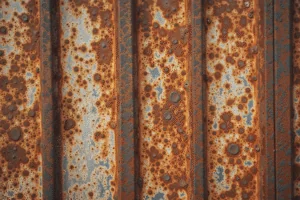
Rust forms through a chemical process called oxidation. When iron or steel is exposed to oxygen and moisture, it creates iron oxide better known as rust. This is especially common in outdoor environments or damp spaces.
You’ll typically find rust on items like fences, patio furniture, car parts, railings, and even metal doors. Understanding how and where rust forms helps you select the appropriate paint for rust treatment and take preventive measures.
Why does rust weaken and corrode surfaces
Rust isn’t just unsightly. As it forms, it eats away at the metal’s structural integrity. Over time, rust causes pitting, flaking, and cracking, which can weaken surfaces and lead to failure, especially in load bearing applications.
Rust also creates a rough, unstable surface that prevents paint from bonding properly. That’s why knowing how to treat it before painting is key to a lasting paint finish.
The difference between surface rust and deep corrosion
Surface rust is often just a thin, flaky layer that forms on the outside of metal. It can usually be scrubbed away or treated with a converter, making it safe for painting over. Deep corrosion, on the other hand, goes beneath the surface and can cause permanent damage.
If your surface is deeply pitted, soft, or falling apart, complete removal or replacement may be necessary before painting can be done.
Can You Paint Over Rust Without Removing It?
The short answer is yes, but only sometimes. Painting over rust is possible, but you need to understand the conditions under which it’s safe to do so. Otherwise, your paint may peel, crack, or trap moisture, which can worsen the corrosion underneath.
When is it okay to paint over rust
If the rust is only surface-level, and the metal underneath is still solid, you can usually paint over it with proper prep. Projects like outdoor furniture, fences, or decorative pieces may not require complete rust removal. Be sure to clean, sand, and apply the correct primer.
This approach can work when you’re on a tight timeline, the item won’t bear weight, or you’re planning a temporary fix before a future overhaul. Just remember, painting over rust isn’t a permanent fix, so keep an eye on it!
Risks of painting over untreated rust
Painting directly over untreated or flaking rust is a risky shortcut. Even the best rust paint can’t bond properly to unstable surfaces. Moisture can remain trapped beneath the paint layer, accelerating the corrosion process. Over time, you may see bubbling, peeling, or total paint failure. If you want your project to last more than a season, addressing the rust first is always worthwhile.
When to consider complete rust removal
If the rust is thick, deep, or covers large areas, complete removal is the best course of action. This might involve grinding, sanding, or even using chemical rust removers. It takes more time and effort upfront, but it gives your paint a smooth, solid base and extends the lifespan of your exterior painting work. For structural items, safety railings, or areas with constant exposure to moisture, don’t skip this step.
How to Prepare Rusted Surfaces for Painting
Proper prep is everything. A well prepped surface can make even budget-friendly paint last. Here’s how to prepare rusted metal the right way:
Step 1: Clean the surface (dirt, grease, flaking paint)
Start by cleaning off dirt, grease, dust, and loose paint. Use a degreasing cleaner or soap and water, then let it dry completely. This prevents contaminants from interfering with adhesion and ensures your rust treatment sticks properly.
Step 2: Scrape and sand away loose rust
Use a wire brush, scraper, or sandpaper to remove all loose rust and flaking metal. You don’t have to get to bare metal in all cases, but the surface should feel solid and smooth. If you skip this step, even the best rust paint won’t hold up.
Step 3: Use a rust converter or primer
Rust converters are chemical solutions that neutralize surface rust and turn it into a stable, paintable layer. Apply it according to the product instructions, and allow it to dry completely. If you’re not using a converter, go with a rust inhibiting metal primer to create a clean, sealed base before painting. With the right product, you’ll see a dramatic transformation!
Best Paints for Covering Rust
Not all paints are created equal when it comes to rust. You’ll need products that are specifically designed to bond to metal and prevent future corrosion. Here are some of the best paints professional painters use.
Rust inhibiting primers (rust converter vs. rust encapsulator)
Start with a quality rust-inhibiting primer. Rust converters can double as primers, but for deep protection, look for options labeled as metal primers or rust encapsulators. These products lock out moisture, bond tightly to metal, and create a solid foundation for your paint.
Top rated rust resistant paints for exterior use
The best paint for covering rust in outdoor use includes acrylic, enamel, and oil based options that are specifically rated for use on metal surfaces. Look for paints labeled “rust preventive” or “direct to metal.” These contain additives that resist corrosion, cracking, and UV damage, making them ideal for siding, outdoor railings, and furniture.
Best brands and products for long-lasting protection
Selecting the right paint is key to ensuring lasting protection against rust. You want products that not only cover rust but also prevent future damage. Here are some top choices:
- Rust-Oleum’s 2 in 1 paint and primer
- Krylon Rust Protector
- Valspar Anti-Rust Armor
- POR-15 Rust Preventive Coating
Step-by-Step Guide: Painting Over Rust
Ready to tackle that rust? Once your surface is prepped and you have the right materials, it’s time to start painting. Here’s how to do it right:
Step 1: Prepare the tools and materials you’ll need
To successfully paint over rust, you’ll need a few essential tools and materials at your disposal. You’ll need the following items: sandpaper or a wire brush, degreaser or cleaner, rust converter or primer, rust resistant paint, and a brush or roller. Safety gear, such as gloves and a mask, is also recommended.
Step 2: Apply rust primer and let it cure
Now that you’ve prepared your surface, it’s time to apply the rust-inhibiting primer. Whether using a rust converter or standard primer, apply an even coat over the prepared metal. Ensure it completely covers the rusted areas. Let it cure according to the instructions typically 24 hours before moving on.
Step 3: Paint with rust-resistant paint
With the primer fully cured, it’s time to choose a high quality rust resistant paint that will protect your surface for years to come. Apply one or two coats of your chosen rust-resistant paint. Use long, even strokes and allow each coat to dry thoroughly before adding another. For spray paint, hold the can 8-12 inches from the surface and move in smooth passes.
Step 4: Optional topcoats for extra durability
While applying a rust resistant paint provides a solid foundation, adding optional topcoats can greatly enhance durability and aesthetic appeal. For extra protection and a more polished look, consider a clear enamel or polyurethane topcoat. This step helps seal your work and guards against moisture, scratches, and UV rays.
Exterior Painting Tips for Rust-Prone Areas
When painting in areas prone to rust, you’ll want to take extra precautions to ensure longevity. Painting rusted metal outdoors adds a few more variables. Here’s how to get the best results and keep rust from returning:
How to prevent rust from returning
Use quality materials and prep thoroughly. Make sure painted surfaces are completely sealed, and touch up scratches or chips promptly. Clean your metal surfaces periodically to prevent dirt and moisture from accumulating. These steps will help you maintain a rust-free exterior.
Ideal weather conditions for painting
Choosing the right weather conditions for painting is crucial, especially in areas prone to rust. Paint on a dry day when the temperature is between 50°F and 85°F. Avoid high humidity or extreme heat, as these conditions can affect drying and adhesion. Overcast but dry days are perfect for outdoor painting.
Maintenance and touch-up tips
While it’s easy to overlook maintenance after a fresh paint job, regular touch-ups are crucial for preventing rust in exterior projects. Check your painted surfaces every few months. Look for bubbling, cracks, or new rust spots. Touch up any damage immediately to prevent small issues from escalating.
Final Thoughts on Painting Rusty Spots
So, can you paint over rust? Yes, but only if you do it right.
Surface rust can be treated and painted over with the right prep, primer, and paint. Deep corrosion, however, may need full removal or replacement before you begin. By selecting the best rust paint and adhering to innovative exterior painting practices, you can achieve long-lasting results that protect and enhance the appearance of your metal surfaces.
Need help painting rusted surfaces? Our professional exterior painters are just a call away—get a rust-free, protected finish that lasts.