The best brick painting idea is the one your brick can carry, whether it lines a fireplace, an inside wall or the front of the house. Below, Steve Austin, owner of Quality Preferred Painting, a family-owned painting company in Braintree, MA, answers what a homeowner weighs before the first coat, from whether paint belongs on the brick to who should hold the brush.
Key Takeaways
- Look hard at the brick before picking a paint: a coat suits a sound wall but only hides trouble on a failing one.
- Pick a coating that lets moisture escape from the masonry, and pass on any product that seals the brick face shut.
- Treat a bare fireplace surround as a job you can take on yourself; bring in a painter for tall walls or previously painted brick.
Is painting brick a good idea for your home?
Painting brick makes sense when the brick is sound and you want a look bare masonry cannot give; it is a poor choice when paint would hide a problem with the brick itself. Start with what is on the wall now. If it is already painted, old coats on older South Shore brick call for lead-safe prep on older homes. The U.S. Environmental Protection Agency says children can live safely in homes with lead-based paint as long as paint and surfaces are in good condition and kept clean, so flaking paint on brick should not wait. If the brick is bare, pressure washing it first shows the state of the faces and mortar. For an exterior, our guide to painting a brick house weighs the pros, cons and cost.
Preparing old brick so the paint lasts
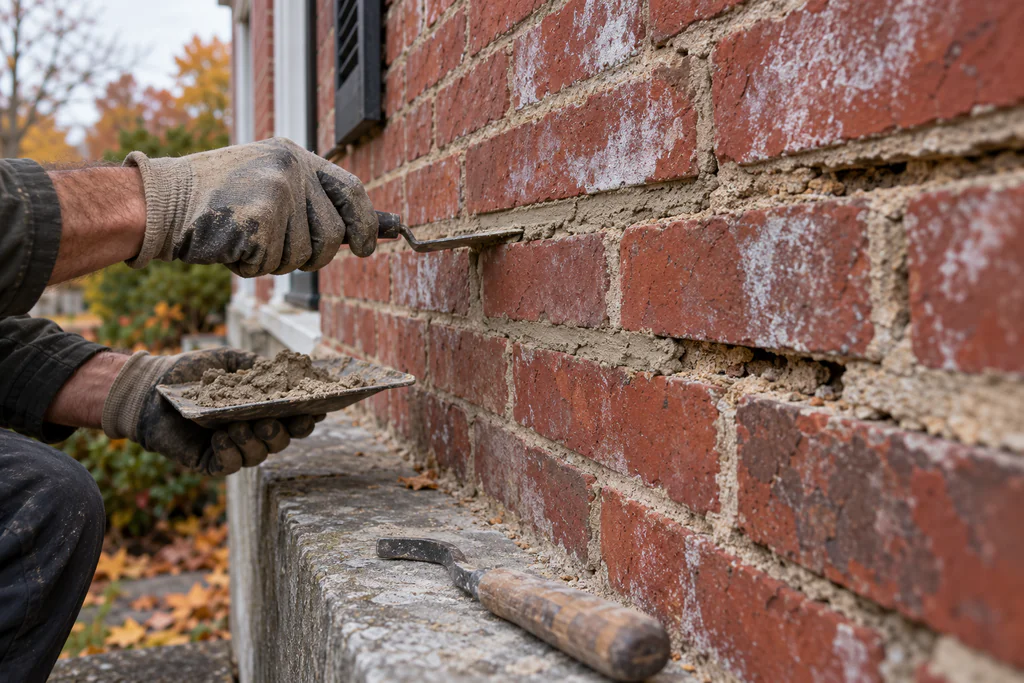
Paint lasts on old brick only when the wall is dry and solid, so prep starts with the mortar and any water getting in. Crumbling joints need repointing (raking out loose mortar, packing in new) before any coat goes on. White powdery deposits, called efflorescence, show moisture moving through the wall; trace its source first, or the paint will lift. How much of this a wall needs depends on its age and exposure. Once the surface is ready, the sheen of the finish sets how much light the brick reflects.
Choosing a color for brick fireplaces, walls and exteriors
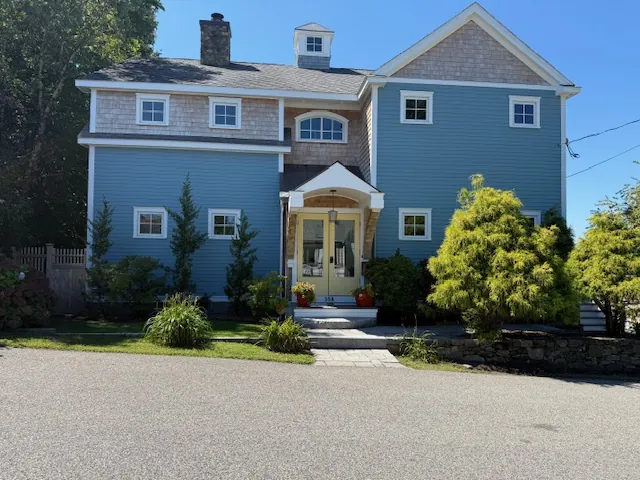
Choose a color for brick against what stays put: on a fireplace, the hearth and mantel; outside, the roof and trim. Brick’s texture casts shadows across every face, so a color looks darker and less even on the wall than on a flat chip. Brush a test patch onto the brick and check it in morning and evening light. If the mortar joints sit deep, decide whether they take the same color or a contrasting one. For a facade, our guide to choosing exterior house colors goes further.
Which paints work on brick, and which should you avoid?
Brick takes paints that either soak into the masonry or form a film that still lets water vapor out (vapor-permeable). Avoid paints that seal the face tight. What already covers the wall narrows the choice, because a mineral paint needs bare brick to bond to.
| Paint | How it behaves on brick | Verdict |
|---|---|---|
| Mineral (silicate) paint | Bonds into bare brick without forming a film | Works on unpainted brick; will not grip old coats |
| Masonry acrylic | Flexible, vapor-permeable film | Works on bare brick and over sound latex |
| Elastomeric coating | Thick film that bridges hairline cracks but holds moisture in | Avoid on old solid brick walls |
| Oil-based (alkyd) | Hard film that alkaline mortar can break down | Avoid |
Switching an old painted wall to a bare-brick paint means stripping the old coats first. In a home built before 1978, the U.S. Environmental Protection Agency’s lead renovation rule requires anyone paid to disturb that paint to be certified in lead-safe work practices. The same question, bare brick or old coats, sets the product for any interior or exterior painting on a brick surface.
What drives the cost of painting brick?
The price of painting brick turns on how much wall there is to reach and how much work comes before the first coat. A fireplace surround is painted from the floor; a brick facade needs ladders or staging. Joints that need repointing add masonry labor. A wall that is already painted costs more again if the old coats must come off for a bare-brick paint. When you compare quotes, ask what prep each one assumes and whether repointing is included.
Should brick be painted, limewashed or left natural?
Leave brick natural if it is sound and you like its color; limewash it for a softer, lighter look that lets the brick show through; paint it only when you want a full color change and accept that going back is hard.
- Left natural: the brick keeps its texture and the color variation from one brick to the next, which gobrick.com’s do’s and don’ts of painting brick calls its inherent beauty.
- Limewashed: a lime-based wash soaks into bare brick instead of sitting on top. Some brick color still shows, and the wash weathers back over time, so you can renew it or let it fade. Old paint has to come off first, since the wash cannot soak through a film.
- Painted: opaque color hides the brick completely. The same guide warns that paint forms a barrier on a material that breathes, which can trap moisture inside. If you tire of the look later, removing paint from brick is laborious and expensive, often needing professional help.
Should you paint brick yourself or hire a painter?
Do it yourself if the job is a small, bare interior surface like a fireplace surround and you can leave time between steps. Hire a painter for a whole facade, for high walls, or where the brick already carries old coats. The method does not change with who holds the brush: gobrick.com’s do’s and don’ts of painting brick sets the order as cleaning the surface thoroughly, letting the brick dry completely, then priming with a product made for masonry before the breathable topcoat. Skipping the drying wait is how a weekend project ends with paint that lifts.
Outside, the scale is what changes. Every elevation has to be washed, dried and primed before weather turns, often from ladders. For anyone set on painting brick, that same guide advises choosing a highly experienced painter who understands what brick surfaces require.
Quality Preferred Painting is a family-owned company based in Braintree, run by owner Steve Austin since 1992. To talk through your fireplace or brick home, get in touch with us or call 781-356-2050.
Frequently Asked Questions
What is the easiest way to paint brick?
The easiest way is to roll the brick faces with a thick-nap roller, then work a stiff brush into the mortar joints before the paint skins over. A short-nap roller skips the pits in the brick face and leaves bare spots you only notice once it dries. On a whole facade, an airless sprayer followed by back-rolling presses the coat into every hollow.
Can you paint directly onto brick?
With most paints, no. Mineral (silicate) paint and limewash go straight onto bare brick, but most film-forming paints need a masonry primer first. On a fireplace, keep ordinary wall paint out of the firebox, where heat will blister it. Paint the face and surround, and leave the firebox bare or use a coating rated for high heat.
Sources
- Lead Renovation, Repair and Painting Program | US EPA, U.S. Environmental Protection Agency, retrieved 2026-10-05.
- Brick Blogs – Brick Industry Association, gobrick.com, retrieved 2026-10-05.