Neither paint nor wallpaper wins in every room. The right pick depends on the wall you have and how long you want to live with the look. Here Steve Austin, owner of Quality Preferred Painting in Braintree, compares the two for homeowners from Boston to the South Shore: how each wears, what each costs to put up and take down, and which rooms suit which.
Key Takeaways
- Use light paint colors when you want a room to feel open, and darker ones when you want it cozier and closer.
- Weigh the cost of changing it later: sound paint takes a fresh coat, while wallpaper has to be stripped before anything new goes on.
- Check the condition of your actual walls before you buy material, because cracks, old patches and leftover glue decide how paint or paper will take.
- Keep wallpaper for one flat feature wall people should notice, and paint walls broken up by corners, angles or odd shapes.
What They Do to Your Home
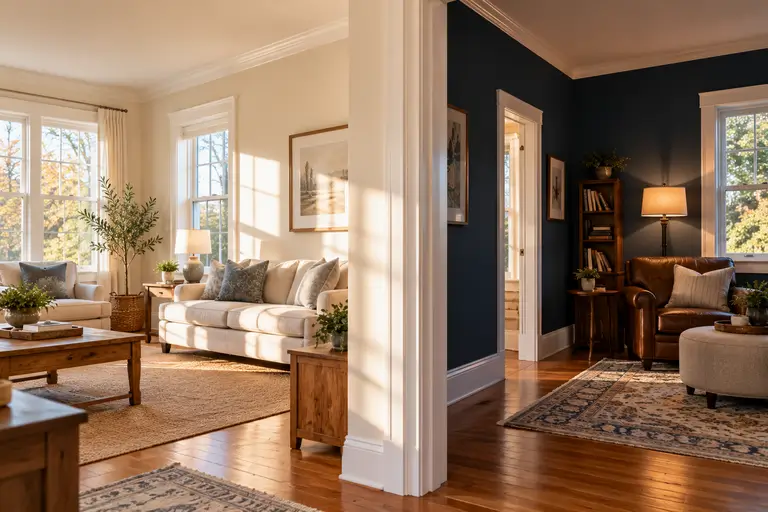
Paint and wallpaper both change how big a room feels and what your eye lands on first. With paint, color does the work: light shades make a room feel soft and airy, while dark shades pull the walls in and give a cozier space that looks smaller than it measures. Wallpaper adds pattern and texture on top of color.
A finished wall also warns you of trouble. Discoloration or a brown stain on a wall or ceiling often means water is getting in through the roof or its flashing. Fix that leak first. If the damp has grown mold, the EPA’s guide to mold, moisture and your home explains how to clean it up and stop it from growing back.
Which of the two suits your room comes down to the factors below.
Things to Consider between Paint and Wallpaper
Paint is easier to change and patch. Wallpaper gives pattern and texture paint cannot.
Cost
Paint’s price follows its grade and finish, and cheaper paint tends to need touch-ups sooner. Hiring out painting on the South Shore adds labor, which grows with the patching a wall needs first. The full picture, including what each costs when you change it later, is in the table further down.
Variety of design
Paint tints to nearly any shade, in finishes from flat to high gloss. Wallpaper adds printed pattern and texture, in vinyl, fabric, foil, embossed and suede papers. If pattern wins, professional wallpapering keeps the repeat lined up at each seam.
Durability
Sun fades paint and busy walls scuff it, but a worn spot can be touched up without redoing the room. Wallpaper fails differently: a tear is hard to hide, and a damaged strip often means rehanging, sometimes with a pattern no longer sold.
Maintenance
Vinyl wallpaper wipes clean with a damp cloth. Satin and gloss paints wash well, flat paint less so. The EPA states that many paints emit volatile organic compounds, gases that can affect indoor air quality. Air the room while it cures.
Customization
Paint gives you more control, since a shade can be mixed to match a fabric or tile. Wallpaper means choosing among patterns already printed for the one closest to what you pictured.
Paint or Wallpaper: How They Compare on Look, Wear and Upkeep
Damp rooms split them. EPA’s guide to mold and moisture explains that moisture trapped behind wall coverings like wallpaper can promote mold growth. Paint keeps the surface in view, though EPA warns that paint applied over moldy surfaces is likely to peel, so a moldy wall gets cleaned and dried before painting.
What Drives the Cost of Each, Now and When You Change It Later
Each finish costs you twice: once when it goes up, and again when you change it.
| Stage | Paint | Wallpaper |
|---|---|---|
| Material | Priced by grade and finish | Priced by the paper, from standard vinyl to designer rolls |
| Labor | Grows with wall prep | Grows with wall prep, paper type and pattern matching |
| Changing it later | Repaint over sound paint | Strip, wash off glue and repair the wall before the next finish |
The local side is covered in what drives wallpaper installation cost in Massachusetts.
Asking the Experts
A painter standing in your room can tell you what a sample book cannot: how the walls you have now will take paint or paper. If you are unsure which suits the space, ask experts in painting services to look before you buy any material. We live and work around Boston and the South Shore, so we know the local architecture and the older plaster walls that come with it.
Which Is Better, Paint or Wallpaper?
For most walls, paint is the better pick. It costs less to change, patches without a seam and suits damp or oddly shaped rooms. Wallpaper is better where you want a pattern paint cannot give, on a flat, dry wall you plan to keep as it is for years.
Making the Call for Your Room
Our services include interior painting, exterior painting, plastering, wallpapering, carpentry, pressure washing and cabinet refinishing, so we can quote either finish, or both, for the same room. Put these questions to whoever walks the room with you:
- What does the wall need first? Cracks, old patches and leftover adhesive change the prep for either finish, and that work can tip the decision.
- How will it look in this light? Tape up a large sample and view it at the hour you use the room most.
- Does the pattern fit this wall? Windows and doors cut a repeat into short pieces, which can make a busy paper look choppy.
Why Some Owners Pass on Wallpaper, and Who Still Uses It
Most of the reasons come down to what happens when the look gets old. A painted wall changes with one more coat. A papered wall has to be stripped first, and anyone who has scraped layers of old paper and dried glue off plaster tends to choose paint the next time.
Several other things push owners toward paint:
- Taste moves faster than paper wears out. A bold print can feel dated long before it fails, and replacing it means removal and wall repair, not a quick repaint.
- The next owner wants a blank wall. Paint leaves a buyer free to pick a color; a strong pattern is one more thing on their list to remove.
- Humid rooms are a risk. Moisture trapped behind paper can feed mold, which makes it a poor fit for a bathroom that stays steamy.
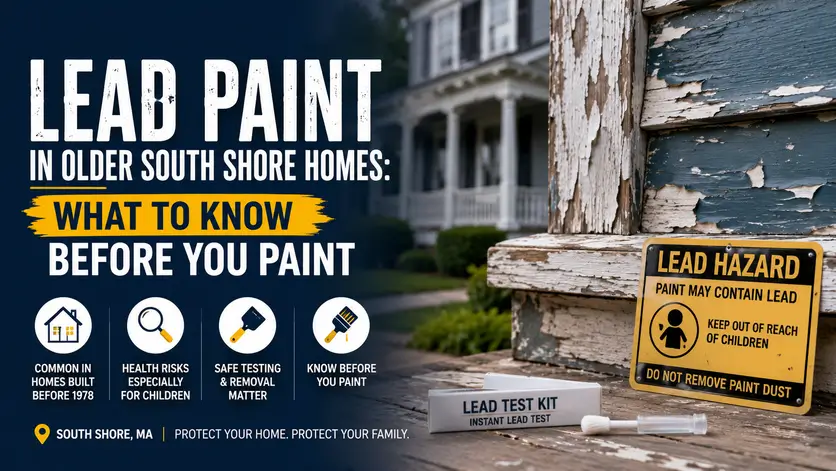
- Older houses hide surprises. In a home built before 1978, old paper can cover lead-based paint, so stripping it calls for care.
Wallpaper has not disappeared, though. It still earns its place for an owner who wants a printed pattern to carry the room and expects to keep it for years, often on one wall rather than all four.
Before ordering rolls, ask how long the room will stay as it is. A short answer points to paint.
Rooms and Walls Where Wallpaper Works, and Where Paint Is Better
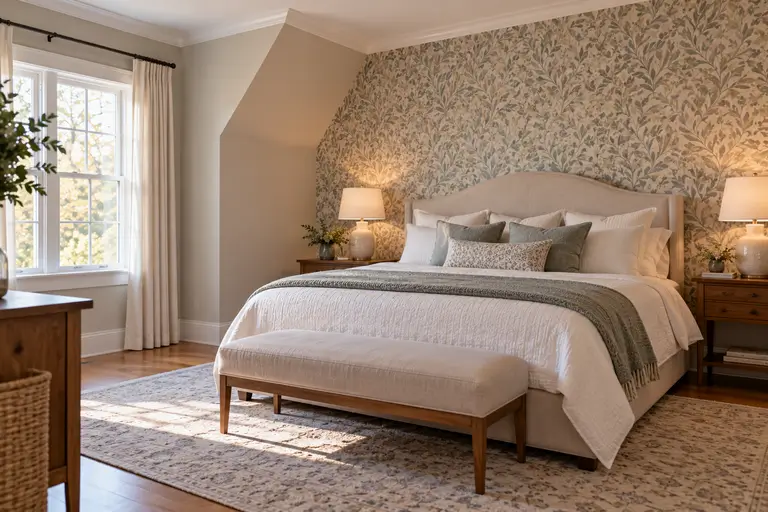
Wallpaper works best on one flat stretch of wall you want people to notice, such as the wall behind a bed or sofa. Paint is the better choice where the wall itself has awkward shapes.
We offer wallpapering as well as interior painting, so we can price one papered wall against painting the whole room and let you compare.
Paint wins on walls that fight a pattern. Sloped attic ceilings, a two-story stairwell wall and a room with an outside corner every few feet all force paper to be cut at odd angles, where any slip in the repeat shows. One color follows those shapes with no seams. If you love a pattern but the room is cut up, paper its plainest wall and paint the rest.
Getting the Wall Ready: Plaster, Old Paper and Prep in Older Homes
Plenty of homes from Boston to the South Shore predate 1978 and still have their original plaster walls, so find out what is under the old paper before anyone strips it. The EPA’s guidance on reducing lead exposure at home advises that homes built before 1978 may contain lead-based paint under old wallpaper or paint layers, which calls for careful testing and handling during wall prep. The same EPA page warns that work disturbing painted surfaces in older homes may create large amounts of lead dust. Federal rules apply too: the EPA’s Renovation, Repair and Painting Program sets requirements for lead-safe work practices when painted surfaces are disturbed in homes built before 1978.
Plaster needs its own care. Old paper may sit straight on it, sometimes several layers deep, and scraping it off can gouge the surface. Plastering is one of our services, so each gouge gets filled and sanded smooth before the wall is finished. Leftover glue is washed off, because paint or new paper laid over residue may bubble or lift.
To have your walls looked at before you choose paint or paper, contact Quality Preferred Painting or call us in Braintree at 781-356-2050.
Sources
- Lead Renovation, Repair and Painting Program | US EPA, U.S. Environmental Protection Agency, retrieved 2026-10-13.
- Volatile Organic Compounds’ Impact on Indoor Air Quality | US EPA, U.S. Environmental Protection Agency, retrieved 2026-10-13.
- A Brief Guide to Mold, Moisture and Your Home | US EPA, epa.gov, retrieved 2026-10-13.
- Reduce the Risk of Lead Exposure at Home | US EPA, epa.gov, retrieved 2026-10-13.